The Rise of Generative AI: How It’s Shaping the Future of Work and Creativity
Miloš Vitomirović
September 22, 2025
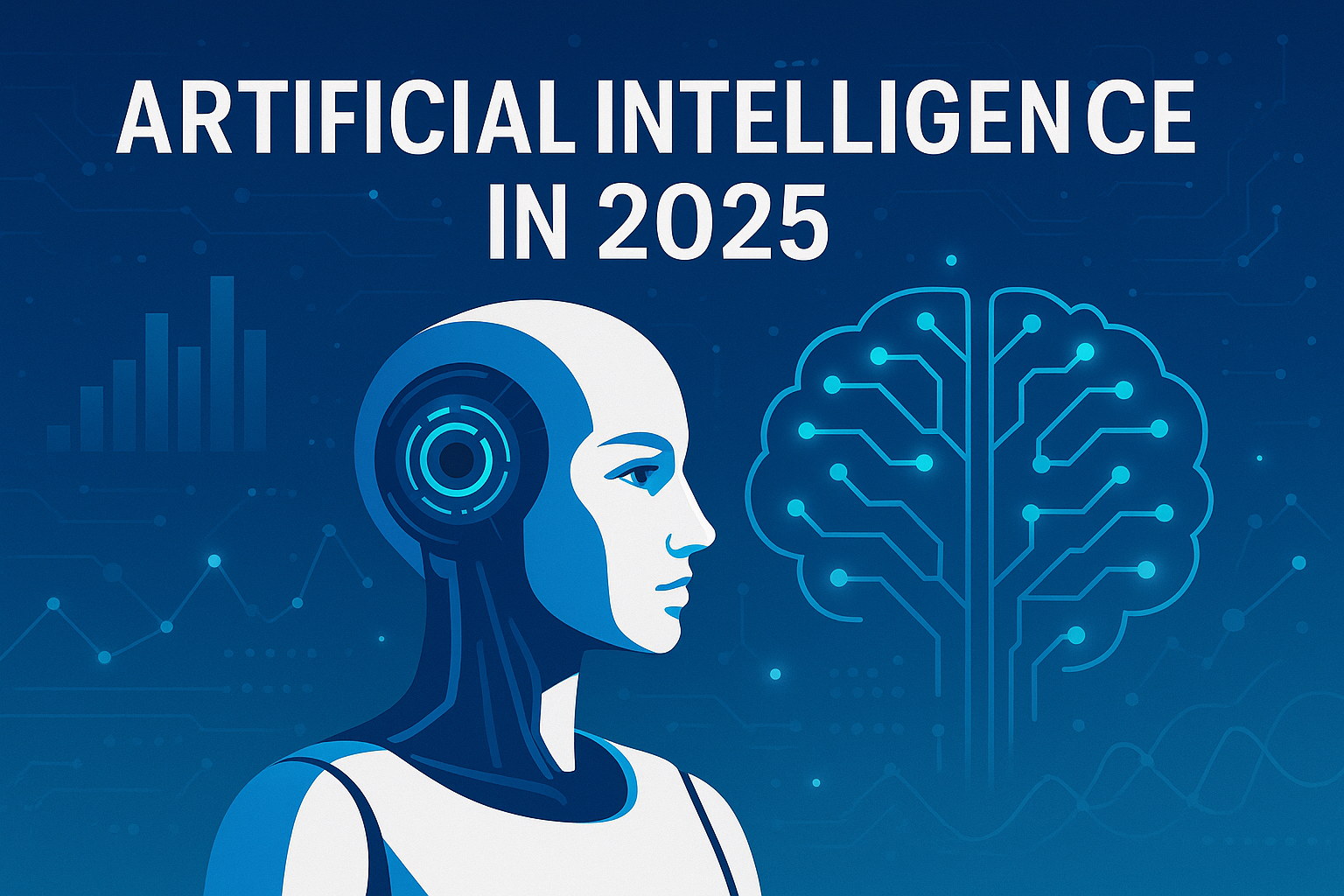
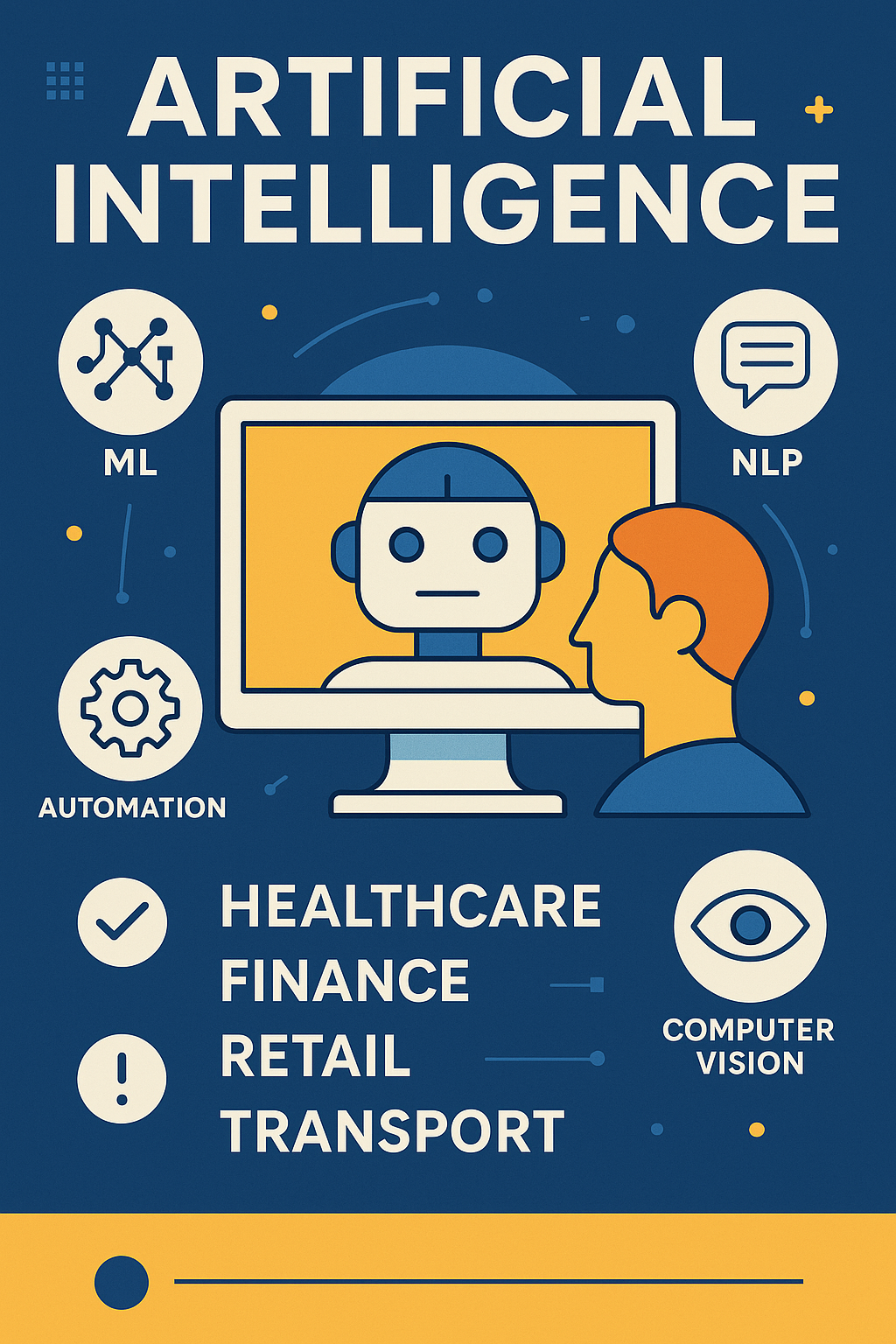
Artificial Intelligence has made incredible leaps over the past few years, and one of the most transformative trends is Generative AI. From writing code and generating realistic images, to creating music and drafting legal documents, AI is no longer just a tool — it’s becoming a creative collaborator.
Why Generative AI Matters
Generative AI models like ChatGPT, Claude, and Gemini can now process and generate human-like text, making them invaluable for:
Content creation: articles, blogs, marketing campaigns
Software development: generating code snippets, debugging, and documentation
Design & media: creating images, videos, and even 3D models
Business productivity: drafting emails, summarizing reports, and automating repetitive tasks
Instead of replacing human creativity, these tools act as a multiplier — allowing professionals to focus on higher-level strategy while AI handles the routine work.
Challenges Ahead
Despite its rapid adoption, AI still raises questions about:
Ethics & bias – AI models can reflect the biases in their training data.
Job impact – Some roles may be reshaped or displaced.
Accuracy – AI can still “hallucinate” or provide incorrect information.
These challenges remind us that AI should be used as an assistant, not a replacement.
The Future
With advancements in multimodal AI (text, image, audio, and video combined), the future looks even more dynamic. Soon, creating an entire interactive website, film, or software prototype could be as simple as giving an AI a few instructions.
4.7 / 5
Generative AI is transforming industries by boosting productivity, enabling creativity, and reshaping workflows. While challenges remain around ethics and accuracy, AI is becoming an essential tool for the future of work.
"“AI won’t replace humans, but humans using AI will replace those who don’t.”"
- Elon Musk
List of Pros:
- Saves time and boosts productivity
- Enhances creativity and brainstorming
- Handles repetitive or technical tasks
- Accessible to individuals and businesses of all sizes
List of Cons:
- Can generate biased or inaccurate information
- May reduce certain job roles
- Requires oversight and verification
- Ethical and privacy concerns remain unresolved